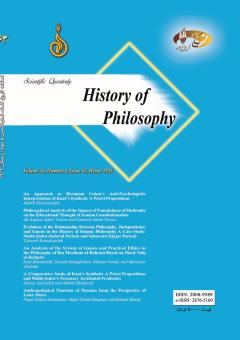
An Analysis of the System of Gnosis and Practical Ethics in the Philosophy of Ibn Maytham al-Baḥrānī Based on Sharḥ Nahj al-Balāgha
Subject Areas : New analyses and findings in the field or Oriental wisdom
Saeed Khodadadi
1
*
 ,
Zeynab Sedartian
2
,
Marjan Omidi
3
,
Mahziar Alishahi
4
,
Zeynab Sedartian
2
,
Marjan Omidi
3
,
Mahziar Alishahi
4
1 - Assistant Professor, Department of Islamic Teachings, Lorestan University, Khorramabad, Iran
2 - Assistant Professor, Department of Humanities (Islamic Teachings), National University of Skill, Tehran, Iran
3 - Level 3 Seminary student, Women’s Seminary, Qom, Iran
4 - Level 3 Seminary student (MA student of Islamic Teachings), Qom, Iran
Keywords: Gnosis, ethics, Ibn Maytham al-Baḥrānī, style, Sharḥ Nahj al-Balāgha,
Abstract :
The present study investigates the style of gnosis and practical ethics from the perspective of Ibn Maytham al-Baḥrānī to clarify the relationship between divine knowledge and the two practical-ethical dimensions he proposes for attaining proximity to God. The main question here is how Ibn Maytham, by combining theoretical wisdom and practical virtues, has outlined the path to attaining proximity to God, and how this style differs from the ones offered by other schools of Islamic gnosis. He considers attaining proximity to God to be the result of simultaneously strengthening theoretical and practical faculties. Ibn Maytham believes that referring to two key aspects are necessary for introducing the gnostic style: 1) The theoretical aspect, which is not realized except through deep knowledge and understanding of God; 2) The practical aspect, which is possible through adherence to four moral virtues: wisdom, chastity, courage, and justice. This combination of knowledge and action leads to a deeper understanding and practical experience of divine proximity, demonstrating that gnostic growth is impossible without the simultaneous development of both aspects. Regarding ethical conduct, he also emphasizes self-discipline, control of desires, and avoidance of hypocrisy and ostentation.
قرآن کریم.
نهجالبلاغه.
آشتیانی، سیدجلالالدین (بیتا) منتخباتی از آثار حکما، مشهد: انجمن فلسفه.
ابنمنظور، محمدبن مکرم (1414ق) لسان العرب، بیروت: دار الفکر.
احسائی، محمدبن علیبن ابیجمهور (1387) مجلی مراة المنجی فی الکلام و الحکمتین و التصوف، تهران/برلین: مؤسسۀ پژوهشی حکمت و فلسفه ایران و مؤسسۀ مطالعات اسلامی دانشگاه آزاد برلین.
الاهیمنش، رضا؛ ارجمندی، علیرضا (1399) «سلوک و مراحل آن در منظومۀ ابنمیثم بحرانی»، پژوهشنامه امامیه، شمارۀ 12، ص252ـ232.
بحرانی، علیبن میثم (1375) شرح نهجالبلاغه ابنمیثم، مشهد: بنیاد پژوهشهای اسلامی آستان قدس رضوی.
حسینی طهرانی، سیدمحمدحسین (1392) مهر تابناک، حضرت آیةالحق و العرفان حاج سیدعلی قاضی طباطبایی رضوانالله علیه در آثار حضرت علامه آیتالله حاج سیدمحمدحسین حسینی طهرانی، با اضافاتی از سیدمحمدمحسن حسینی طهرانی، تهران: مکتب وحی.
خمینی، سیدروحالله (1372) کلمات قصار، پندها و حکمتها، تهران: مؤسسۀ تنظیم و نشر آثار امام خمینی (ره).
دهخدا، علیاکبر (1377) لغتنامه، زیرنظر محمد معین و جعفر شهیدی، تهران: دانشگاه تهران.
راغب اصفهانی، حسینبن محمد (1412) مفردات الفاظ القرآن، بیروت: دار العلم.
سجادی، سیدجعفر (۱۳۷۳) فرهنگ معارف اسلامی، تهران: کومش.
سجادی، سیدجعفر (1399) «ابن میثم»، دایرة المعارف بزرگ اسلامی، ج4، تهران: بنیاد دایرة المعارف بزرگ اسلامی.
شبر، عبدالله (1378) اخلاق، قم: هجرت.
شبیری زنجانی، سیدموسی (1389) جرعهای از دریا، قم: مؤسسۀ کتابشناسی شیعه.
شیخ صدوق، ابنبابویه (بیتا) معانی الأخبار، بیروت: دار المعرفه.
صلیبا، جمیل (1407ق) فرهنگ فلسفی، ترجمۀ منوچهر صانعی درهبیدی، تهران: حکمت.
طباطبایی، سیدمحمدحسین (1417ق) المیزان فی تفسیر القرآن، قم: انتشارات اسلامی.
فیض کاشانی، ملامحسن (1363) «زاد السالك؛ نامهاي از عالم متبحر، فيض كاشاني»، مجله حوزه، شمارۀ 6، ص73ـ56.
قرشی، سیدعلیاکبر (1371) قاموس قرآن، تهران: دار الکتب الاسلامیه.
مشکینی، علی (بیتا) دروس فی الاخلاق، قم: نشر الهادی.
واسطی زبیدی، محبالدین سیدمحمدمرتضی حسینی (1414) تاج العروس من جواهر القاموس، بیروت: دار الفکر.