
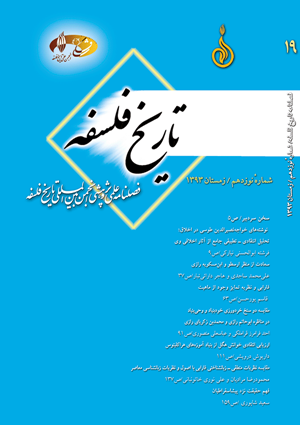
سعادت از منظر ارسطو و ابن مسكويه رازي
محورهای موضوعی : پیوند اندیشۀ فیلسوفان و مکاتب فلسفی با زمانه و شرایط اجتماعی و فکریعليمحمد ساجدي 1 * , هاجر داراييتبار 2
1 - دانشگاه شيراز
2 - دانشگاه شيراز
کلید واژه: ارسطو ابنمسكويه خيراعلي اعتدال فضيلت ,
چکیده مقاله :
پرسش دربارة مفهوم و مصداق «سعادت»، ريشه در نهاد و سرشت آدمي دارد. مقايسه آراء دو انديشمند صاحبنظر در اين زمينه ـ يکي از يونان باستان و ديگري از حکماي اسلامي هم روزگار با ابنسينا، از جهت معرفت نسبت به نوآوري متفکران اسلامي در قبال رهاورد يونانيان در ساحتهاي گوناگون فلسفي، حائز کمال اهميت است. اين جستار مختصر ـ که به روش تحليلي ـ تطبيقي صورت پذيرفته ـ پس از تأملاتي چند دربارة مباني فلسفي و اخلاقي هريک، وجوه اشتراک و افتراق آراء ايشان دربارة سعادت را کاويده است. ارسطو، گرچه با اهتمام کامل به مؤلفههاي عقل، لذت و دوستي، تئوري فضيلت و سعادت را حول محور «اعتدال» تعريف ميکند، ليکن، با توجه نگاه غيرتوحيدي وي به خدا و جهان و عدم توجه او به معاد، قادر نيست که مدل موفقي از مفهوم و مصداق سعادت ارائه کند. برخلاف ابنمسکويه که با جهانبيني توحيدي ميکوشد تا همين معاني را برپايه معرفت نفس، عقل و شرع تبيين نمايد، سعادت را به دو قسم دنيوي و اخروي تقسيم نموده و مصداق واقعي سعادت را قرب الهي معرفي ميکند. همچنين، هردو بر تعريف سعادت به خير متعالي (خير اعلي) تأکيد ميورزند، ليکن، از آنجا که مباني انديشه اخلاقي آنها با يکديگر متفاوت بوده، لوازم انديشه آنان نيز با يکديگر متفاوت خواهد شد.
The question of the concept and referent of “happiness” is rooted in Man’s nature. A comparison of the ideas of two authorities in this field, one from ancient Greece and the other from among the Islamic philosophers who were contemporary with Ibn Sina, is of great importance in appreciating the innovations of Muslim thinkers in comparison to those of Greek thinkers in various fields of philosophy. This short paper, which is based on an analytic-comparative study, after explaining the philosophical and ethical principles of each of these two schools, inquires into the similarities and differences between their ideas concerning happiness. Aristotle defined the theory of virtue and happiness based on the concept of “golden mean” with reference to some components such as the intellect, joy, and friendship. However, given his non-monotheistic view of God and the world and heedlessness of resurrection, he was not capable of providing a successful model for the concept and referent of happiness. In contrast, Ibn Miskawayh tries to explain the same concepts on the basis of the knowledge of the soul, the intellect, and the divine rule in the light of his monotheistic worldview. He divides happiness into two worldly and other-worldly types and introduces divine proximity as the true referent of happiness. Both of them define happiness as the transcendent good (supreme good); however, since the basic principles of their ethical philosophies are different from each other, their philosophical concomitants are also different from each other.
قرآن کريم. #
ابنمسکويه رازي، تطهيرالاعراق، ترجمه مجتهده امين(اخلاق و راه سعادت)، اصفهان، انجمن حمايت از خانواده¬هاي بيسرپرست، 1371. #
ابنمسکويه رازي، جاويدان خرد، ترجمه شرفالدين عثمان بن محمد قزويني، تهران، دانشگاه تهران، 1359. #
ابنمسکويه رازي، الفوز الاصغر، بيروت، دار مکتبه الحياة، بيتا. #
ابنمسکويه رازي، الهوامل و الشوامل، قاهره، لجنه التأليف و الترجمه و النشر، 1370. #
ابن سينا، الهيات نجات، ترجمه يحيي يثربي، تهران، انتشارات فکر روز، 1377. #
ارسطو، اخلاق نيکوماخوس، ترجمه رضا مشايخي، تهران، انتشارات دهخدا، 1364. #
ارسطو، مابعدالطبيعه، ترجمه شرفالدين خراساني، تهران، نشر گفتار، 1366. #
ارسطو، سياست، ترجمه حميد عنايت، تهران، انتشارات علمي وفرهنگي، 1384. #
افلاطون، مجموعه آثار، ترجمه رضاکاوياني ومحمد حسن لطفي، تهران، انتشارات خوارزمي، ج3، 1380. #
بهارنژاد، زکريا، «خدا در انديشه ارسطو، اديان و عرفان»، تهران، آينه معرفت، ش1، 1382. #
پينکافس، آدموند، از مسئله محوري تا فضيلت¬گرايي، ترجمه حميدرضاحسني و مهدي عليپور، قم، نشر معارف، 1382. #
خادمي، عينالله، «چيستي سعادت از منظرمسکويه»، فلسفه و کلام اسلامي، ش6، 1392. #
خراساني، شرفالدين، از سقراط تا ارسطو، تهران، دانشگاه ملي ايران، 1352. #
دادبه، اصغر، کليات فلسفه، تهران، انتشارات آزمايشي متون درسي، 1385. #
داوري، رضا، فلسفه مدني فارابي، تهران، مرکز مطالعات و هماهنگي فرهنگي، 1354. #
دورانت، ويل، تاريخ فلسفه، ترجمه عباس زرياب خوئي، تهران، انتشارات علمي و فرهنگي، 1390. #
شريف، ميرمحمد، تاريخ فلسفه در ايران، تهران، مرکز نشر دانشگاهي، 1362. #
طباطبايي، محمدحسين، اصول فلسفه و روش رئاليسم، تهران، دفتر انتشارات اسلامي، ج1، 1359. #
عليا، مسعود، فرهنگ توصيفي فلسفه اخلاق، تهران، انتشارات هرمس، 1391. #
غزالي، ابوحامد، کيمياي سعادت، تصحيح احمد آرام، تهران، انتشارات بهجت، 1361. #
فخري، ماجد، سير فلسفه در جهان اسلام، ترجمه گروهي از مترجمان، تهران، مرکز نشر دانشگاهي، 1372. #
ملاصدرا، شرح اصول کافي، ترجمه محمد خواجوي، تهران، مؤسسه مطالعات و تحقيقات فرهنگي، 1366. #
گروه تاريخ پژوهشکده حوزه و دانشگاه، مسکويه (زندگي¬نامه، آثار و انديشه)، قم، انتشارات حوزه و دانشگاه، 1379. #
G.R.G. Mure, Aristotle, Oxford University, New York, 1964. #
Richard Mckeon, Introduction to Aristotle, the Modern library, New York, 1940. #
W.F.R. Hardie, Aristotle’s Ethical Theory, Oxford University, 1968. #